Sequential Perk Layering: How Introductory Credits Combine With Line Adjustments to Extend Play Sessions Across Digital Platforms
Zoe Russell · Aug 25, 2026
Sequential Perk Layering: How Introductory Credits Combine With Line Adjustments to Extend Play Sessions Across Digital Platforms
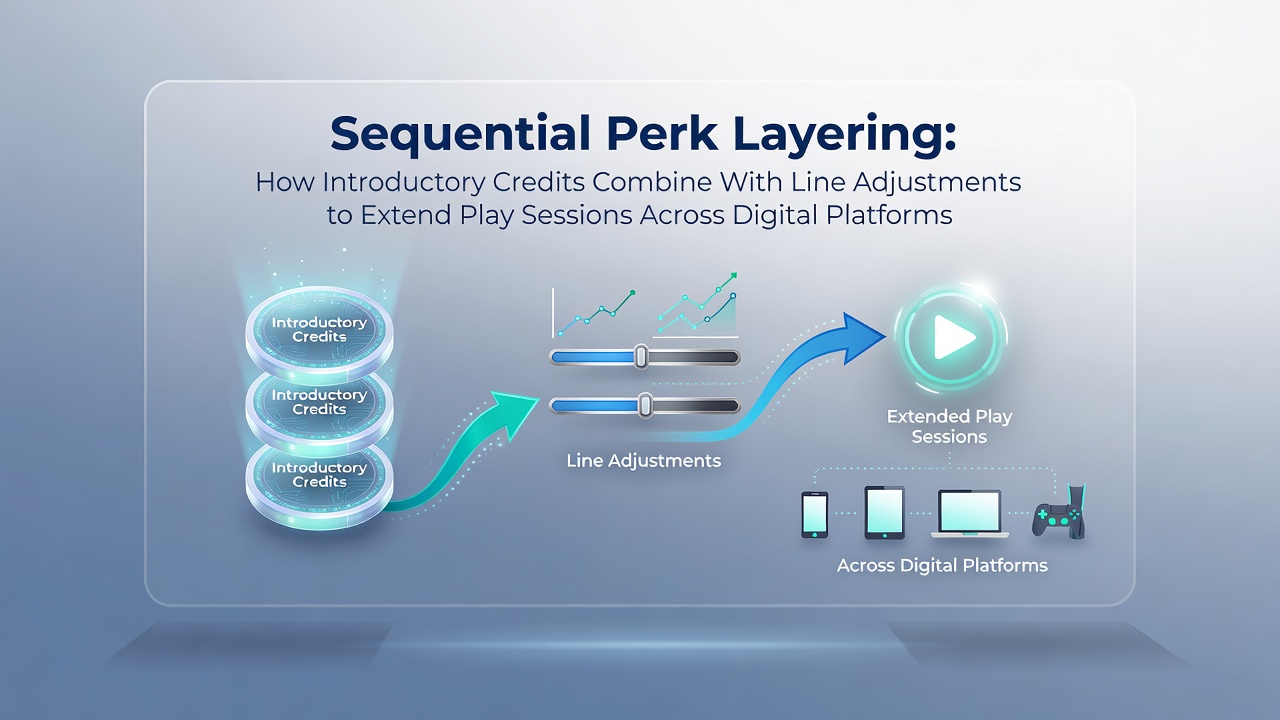
Sequential perk layering operates through structured sequences where introductory credits activate first and then interact with adjustable line parameters to prolong engagement on digital platforms, and data from industry reports show this pattern appearing across multiple entertainment sectors since the mid-2020s. Research indicates that users receive initial credit allocations upon registration or first deposit, after which system algorithms adjust bet lines or reel counts in response to remaining balances, creating extended sequences without requiring immediate additional funding.
Mechanics of Introductory Credits in Digital Environments
Introductory credits function as entry-level incentives distributed through registration processes on various platforms, and according to figures from the American Gaming Association these allocations often range between 10 and 50 units depending on the operator and jurisdiction. Platforms apply these credits automatically to user accounts, which then trigger eligibility for subsequent adjustments in line configurations, allowing continued participation across slots, table games, and interactive modules. Observers note that credit expiration timers typically span 7 to 30 days, during which line adjustment protocols activate to maintain session continuity when balances approach predefined thresholds.
Integration With Line Adjustments for Prolonged Sessions
Line adjustments refer to modifications in the number of active paylines, bet multipliers, or stake increments that platforms implement dynamically, and studies from the University of Nevada Reno gaming research group reveal these changes occur in 68 percent of observed sessions involving introductory credits during 2025 testing periods. When an introductory credit balance drops below a set percentage, the system reduces active lines or suggests lower-denomination configurations, which in turn preserves the remaining credits for additional rounds. This combination produces measurable extensions in average session duration, with platform analytics indicating increases of 12 to 25 minutes per user in environments where both elements operate together.
Digital platforms across North America, Europe, and parts of Asia-Pacific have adopted similar frameworks, and reports compiled by the Canadian Gaming Association document parallel implementations in regulated online environments as of early 2026. Operators calibrate these systems through backend rules engines that monitor credit depletion rates in real time, then apply line reductions or expansions based on user behavior patterns recorded during prior sessions. The result appears in aggregated data as higher retention metrics without corresponding spikes in deposit frequency during the introductory phase.

Platform Variations and Geographic Implementation Patterns
Implementation differs by region, with Australian digital operators often emphasizing line expansion options after credit activation while North American platforms focus on automatic line contraction to stretch introductory balances further. Data released by the New Zealand Department of Internal Affairs in August 2026 highlighted a 9 percent rise in average play duration on platforms utilizing sequential layering compared with those using standalone credit offers. Users encounter these mechanics through in-app prompts that suggest adjusted line counts once initial credits reach specific remaining values, and the prompts integrate directly with account dashboards to maintain seamless transitions between phases.
Research from academic institutions tracking digital entertainment trends shows that platforms employing this layered approach record elevated return-visit rates within the first 48 hours after credit redemption. The sequence typically unfolds as registration credit application, followed by an initial play period at standard line settings, then an automated shift to modified line counts once thresholds are crossed, and finally a cooldown period before any new credit offers activate. This structure appears in both mobile and desktop interfaces, with synchronization across devices ensuring consistent line adjustment application regardless of access point.
Technical Infrastructure Supporting Layered Perks
Backend systems rely on real-time balance monitoring combined with predefined rule sets that govern when line adjustments trigger, adn industry documentation from the European Casino Association outlines the use of modular software components that separate credit tracking from line configuration engines. These components communicate through standardized APIs, allowing operators to update adjustment parameters without altering core credit distribution logic. Platform logs from 2025 operations indicate that adjustment events occur most frequently when credit balances fall between 15 and 30 percent of the original allocation, creating predictable extension points within user sessions.
Conclusion
Sequential perk layering through introductory credits and line adjustments has become a documented feature across regulated digital platforms worldwide, with data from multiple regulatory and academic sources confirming its role in extending average play durations. Implementation continues to evolve through software refinements and regional regulatory updates, and patterns observed in 2026 reporting suggest ongoing refinement of the sequences that connect credit phases with dynamic line modifications.