Britain's Mobile-First Reward Ecosystems: How App-Exclusive Reloads and Odds Surges Create Layered Pathways for Sustained Play Without Traditional Deposits
Drew Jenkins · Aug 22, 2026
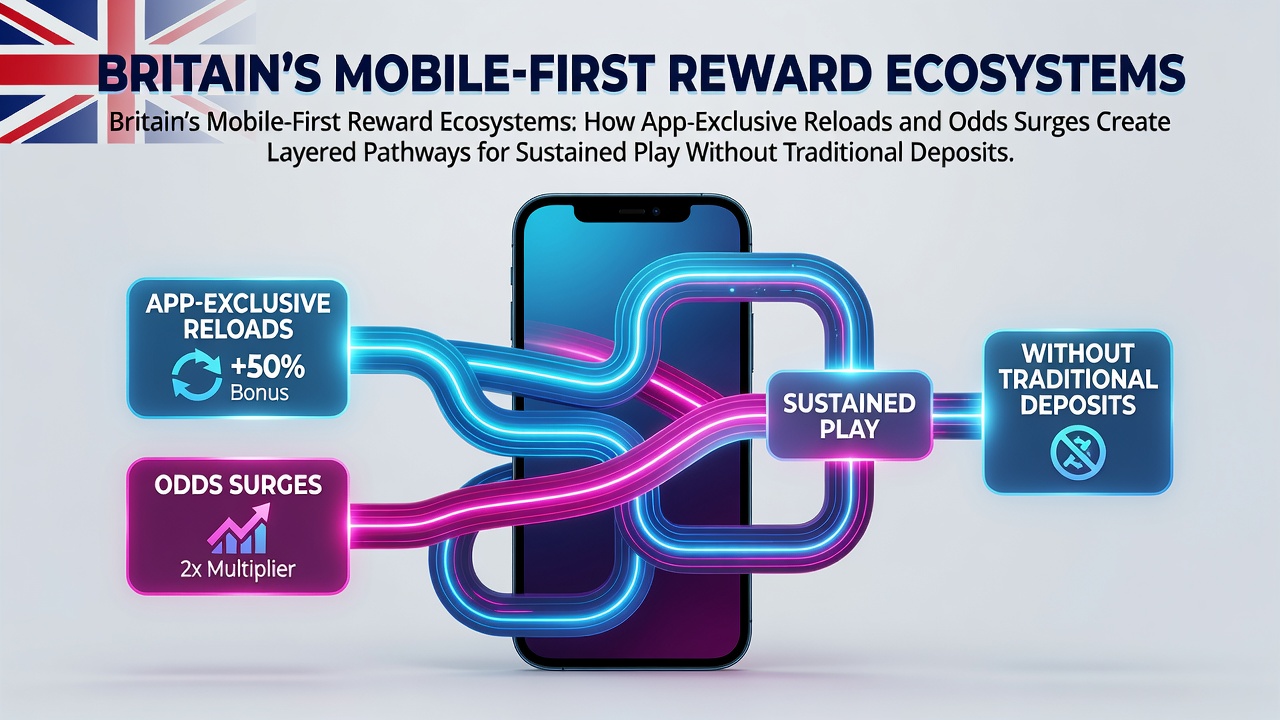
Britain's Mobile-First Reward Ecosystems: How App-Exclusive Reloads and Odds Surges Create Layered Pathways for Sustained Play Without Traditional Deposits
Britain's betting operators have built extensive mobile ecosystems where app-exclusive reload mechanisms and targeted odds surges form interconnected systems that support ongoing participation without the need for conventional bank transfers or card deposits at each step, and these structures rely on in-app credits, loyalty tracking, and dynamic pricing adjustments that respond to user activity patterns recorded within the platform itself.
Mechanics of App-Exclusive Reload Structures
Operators deliver reload credits through daily login sequences and milestone trackers that accumulate inside the application environment, so users receive incremental balances based on previous session data while the system avoids prompting external payment entries, and this approach creates continuous loops where the credits generated from one round of activity feed directly into eligibility for subsequent offers without crossing into traditional funding channels.
Platform data from August 2026 shows increased uptake of these reload sequences on major applications as operators refine the timing of credit drops to align with peak user hours, while the credits remain locked within the app until converted through play, and this containment keeps the entire pathway internal.
Odds Surges as Layered Incentives
Odds surges appear as time-limited multipliers applied to specific markets inside the app, and they activate automatically once a user meets criteria such as minimum activity thresholds or streak completions tracked by the software, so these adjustments enhance potential returns on wagers placed with accumulated credits rather than new deposits, and the combination allows extended sequences of participation that draw solely from prior rewards.
One study released by the European Gaming and Betting Association examined similar mobile reward layers across European markets and found that integrated surge features correlate with longer average session durations when paired with reload credits, while the surges themselves update in real time based on inventory and user profiles stored on the device.
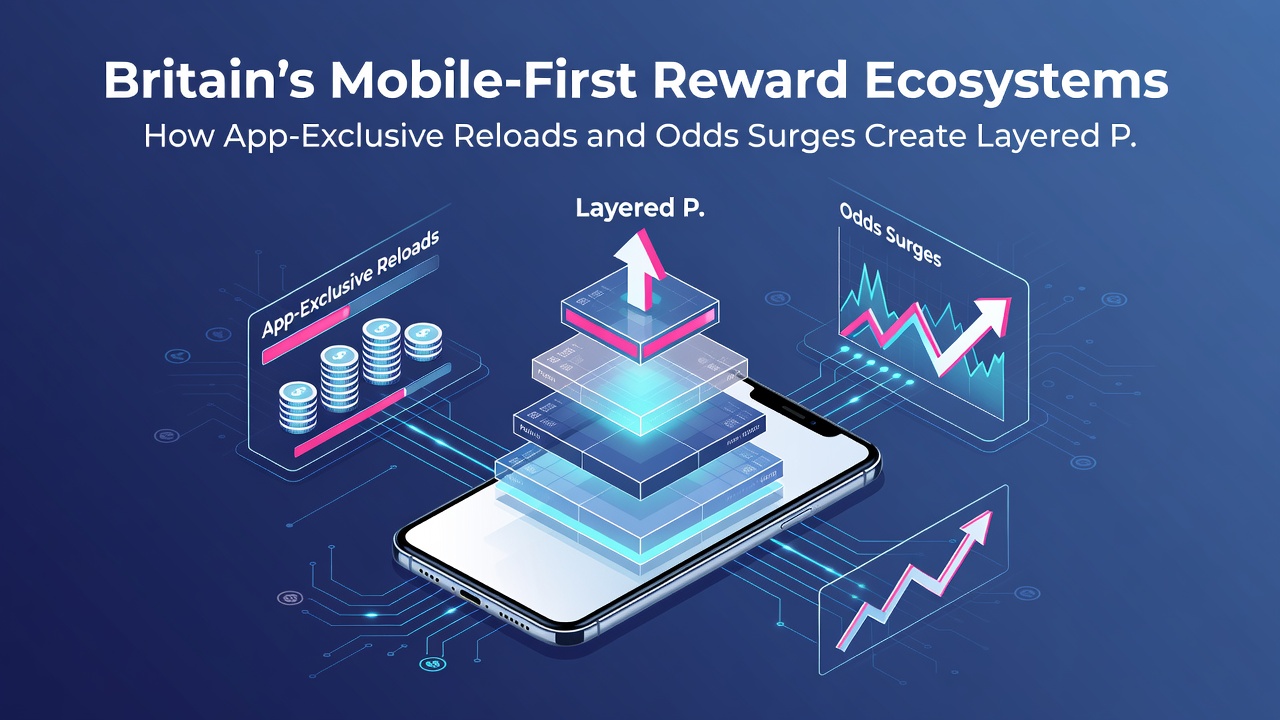
Users often progress through multiple tiers where an initial reload credit unlocks a basic odds adjustment, and that adjustment in turn qualifies the account for an enhanced surge on a related market, creating a chain that sustains play cycles, and observers note that these chains operate without external funding prompts because the underlying balance derives entirely from in-app sources.
Pathways That Operate Without Traditional Deposits
The absence of traditional deposit requirements stems from closed-loop accounting systems that treat reward credits as internal currency valid only for the originating application, so users advance through play levels by converting those credits into wagers that generate further credits or surge eligibility, and this model reduces friction points associated with repeated payment authorizations.
Industry reports indicate that such pathways expanded notably by August 2026 as developers optimized push notifications to remind users of pending reload windows and active surge periods, while the notifications direct attention back into the app where all subsequent actions remain contained.
Integration of Tracking and Eligibility Rules
Eligibility algorithms monitor in-app metrics such as consecutive days of activity, total wagers placed with reward balances, and completion of promotional tasks, then assign users to higher tiers that unlock stronger reload amounts alongside more frequent odds adjustments, and these rules function entirely on data collected within the mobile environment without reference to external transaction histories.
A separate analysis from the Victorian Commission for Gambling and Liquor Regulation in Australia highlighted how comparable mobile ecosystems in other jurisdictions maintain sustained engagement through similar internal reward layering, and the findings suggest that credit containment within applications supports longer participation spans when odds modifications align with user behavior patterns.
Observed Patterns in User Progression
Those who engage with these systems frequently move from basic reload credits to combined surge opportunities within a single session window, and the progression relies on automated triggers that recognize completed cycles and immediately present the next available layer, while the overall structure keeps balances and adjustments visible only through the app interface.
Platform operators continue to refine these sequences by adjusting the spacing between reload drops and surge windows to match aggregate activity data collected across their user base, and the refinements aim to maintain continuous loops that do not require users to initiate outside funding actions.
Conclusion
Britain's mobile reward ecosystems demonstrate how app-exclusive reloads combined with dynamic odds surges establish self-contained pathways that support repeated engagement without reliance on traditional deposits, and the layered mechanics depend on internal tracking, credit conversion, and timed adjustments that keep activity within the platform boundaries, while data from August 2026 and comparative international reports confirm the expansion of these structures across betting applications.