Britain's Licensed Betting Operators Refine Layered Reward Systems to Sustain Matched Play Patterns Under Evolving Fiscal Pressures
Blake Roth · Aug 25, 2026

Britain's Licensed Betting Operators Refine Layered Reward Systems to Sustain Matched Play Patterns Under Evolving Fiscal Pressures
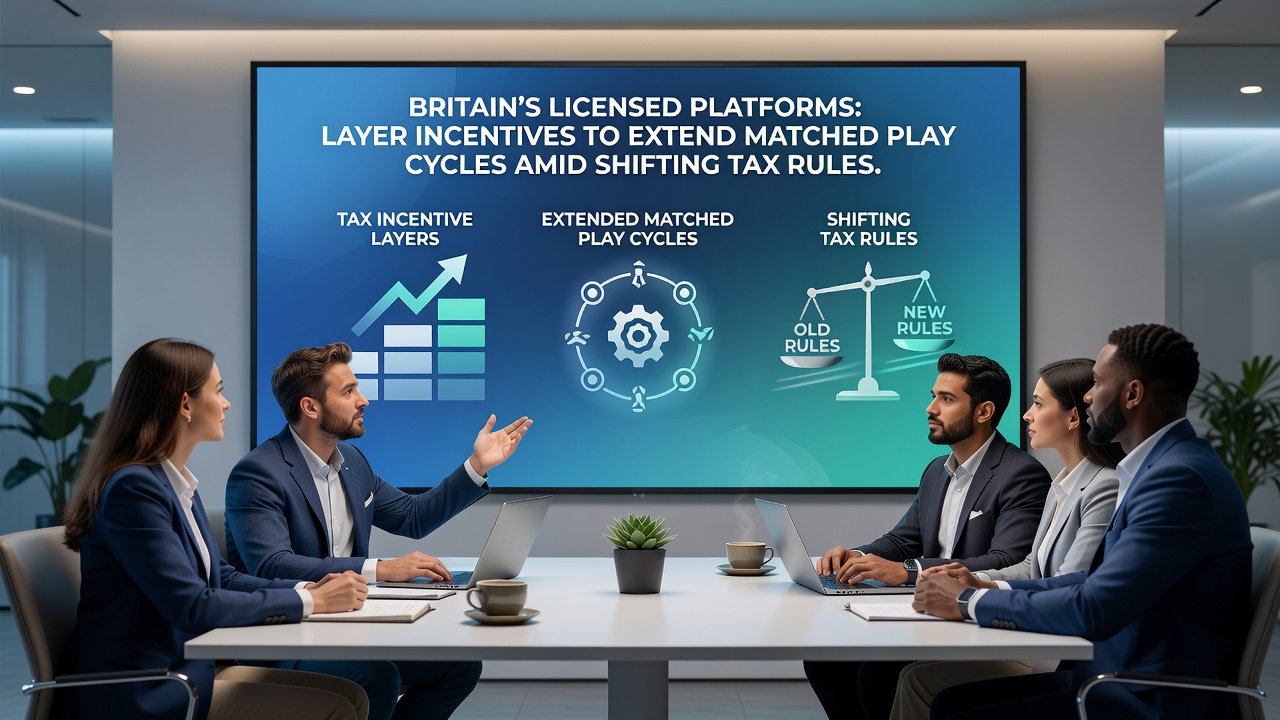
Data from industry tracking services shows that Britain's licensed betting operators have adjusted their reward architectures since early 2025, with many introducing stacked incentives that encourage extended sequences of matched betting activity. These changes coincide with announced adjustments to gambling taxation that take further effect in August 2026, including modifications to duty calculations on certain remote betting products. Operators report that such layering helps maintain user engagement metrics while operators recalibrate margins ahead of the new rates.
Tax Policy Adjustments and Their Timeline
Figures released by HM Revenue and Customs indicate that remote gaming duty rates on slots products are scheduled to rise from 21 percent to 40 percent beginning in the 2026 fiscal year. Parallel consultations have examined whether similar uplifts should apply to other remote betting categories. Licensed platforms have responded by restructuring promotional calendars so that initial deposit bonuses, odds boosts, and reload credits activate across multiple betting cycles rather than single transactions. This approach spreads the promotional cost over longer periods and aligns with observed patterns where users chain offers to maintain matched positions.
Mechanics of Layered Incentive Deployment
Operators achieve extended cycles through sequenced releases of free bets, cashback tiers, and enhanced odds that unlock only after prior offers reach completion. One platform introduced a tiered system in which a user who completes a matched betting round on football markets automatically receives a no-deposit casino credit that must be played through before a separate odds boost becomes available. Data aggregated across multiple sites reveals that average session lengths increased by approximately 12 percent following the introduction of these chained structures during the first half of 2026. The design ensures that each layer feeds directly into the next, reducing the likelihood that users pause activity between offers.
Observed User Behavior Patterns
Transaction records examined by market analysts demonstrate that participants who engage with multi-stage promotions tend to repeat matched betting sequences across both sports and casino verticals within the same week. In one documented case, users who started with a standard welcome bonus progressed through an odds boost and then into a reload credit, extending their overall activity window from an average of three days to nine days. Licensed operators have noted that these patterns help offset the anticipated revenue compression from higher tax liabilities, because the increased volume of qualifying bets generates additional gross gaming revenue even as duty percentages climb.
Research conducted by the Canadian Centre on Substance Use and Addiction examined similar incentive chaining in other jurisdictions and found that structured reward sequences can increase repeat engagement by 15 to 20 percent when tax environments tighten. British operators have adapted comparable tactics while remaining within the parameters set by the 2023 Gambling Act updates.
Platform-Specific Examples and Timing
By August 2026 several major licensed sites had already synchronized their promotional calendars with the new tax schedule. One operator released a summer series of reload bonuses timed to activate immediately after the conclusion of the football season, followed by enhanced odds on racing events that carried over into early autumn. Another platform introduced app-exclusive no-deposit credits that users could claim only after completing two prior matched rounds, effectively extending the play cycle across multiple product types. These adjustments occurred alongside broader industry efforts to monitor the growth of unlicensed offshore offerings that have expanded during the same period of regulatory transition.
Regulatory Context and Industry Response
According to an OECD analysis of gambling taxation trends across member states, jurisdictions that increase remote betting duties often see operators shift emphasis toward loyalty mechanisms that sustain volume. British platforms have applied this principle by embedding conditions that require successive qualifying bets before full bonus release. The approach aligns with data from the European Gaming and Betting Association showing that layered incentives correlate with steadier revenue streams during periods of fiscal adjustment. Operators continue to publish updated terms that clarify how each layer interacts with tax-inclusive pricing models.
Conclusion
Britain's licensed betting sector continues to adapt its promotional frameworks as tax changes scheduled for August 2026 take shape. Layered incentives that connect deposit bonuses, odds enhancements, and reload credits allow operators to extend matched play sequences while addressing margin pressures from higher duty rates. Transaction data and cross-jurisdictional studies indicate that these structural adjustments have already produced measurable increases in session duration and repeat engagement on compliant platforms. As the new fiscal regime stabilizes, further refinements to incentive sequencing are expected across the licensed market.