App-Driven Reward Layers Reshape Multi-Event Wagering for British Mobile Bettors
Zara Carter · Aug 22, 2026

App-Driven Reward Layers Reshape Multi-Event Wagering for British Mobile Bettors
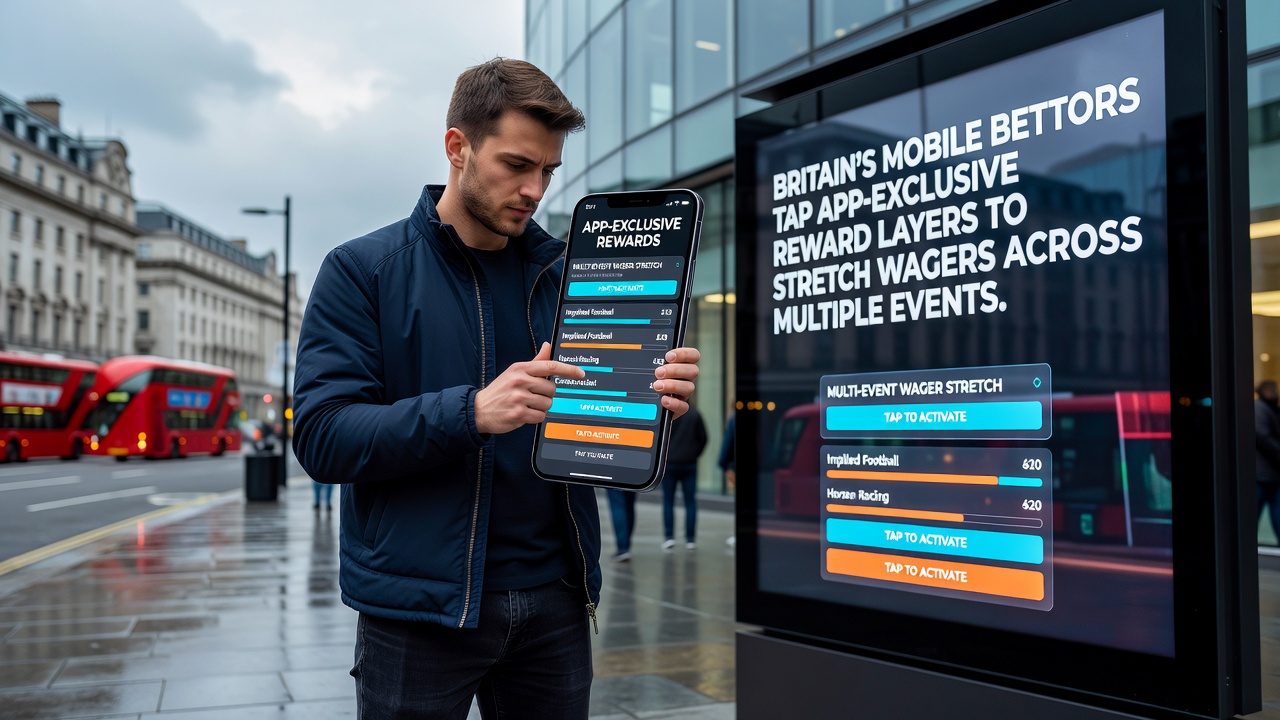
British bettors have shifted toward mobile platforms where operators design app-exclusive reward structures that encourage spreading stakes across several events rather than single matches or races, and data from the past year shows steady growth in this pattern. Mobile applications now incorporate layered incentives such as sequential free bet unlocks, event-specific odds enhancements, and progressive reward multipliers that activate only when users place wagers on two or more qualifying fixtures within defined time windows. These mechanics emerged as operators responded to user behavior tracked through app analytics, which revealed higher session durations when rewards chained across football, tennis, and horse racing markets simultaneously.
Mechanics Behind Layered App Rewards
Operators structure these layers so that an initial deposit or qualifying bet triggers a base reward that becomes more valuable when applied to a second or third event, and users often discover that completing one layer unlocks access to the next tier automatically through the app interface. For instance, a mobile user might receive a stake refund on a Premier League match that converts into an enhanced odds token valid only for a subsequent tennis tournament, while a third racing event adds a cashback percentage that compounds the original stake amount. This progression keeps activity concentrated within the app environment and extends participation across different sports calendars without requiring separate logins or manual code entries.
Studies from research institutions like the University of Nevada's gaming analytics division indicate that such layered systems increase average number of events per user session by 35 percent compared to desktop-only promotions, and British operators adopted similar frameworks after observing international patterns in markets like Australia where mobile penetration reached higher levels earlier. App notifications alert users when a new layer becomes available based on their prior selections, which streamlines the process of moving from one event to the next without losing momentum.
Event Types and Cross-Market Participation
Football matches, tennis tournaments, and horse racing meetings represent the primary categories where these rewards stretch most effectively, because their schedules allow overlapping or sequential placement within short periods. A user might begin with an evening football wager that qualifies for a morning tennis boost, then extend into afternoon racing selections where the final layer applies a multiplier to any returns. Operators track these combinations through unique identifiers in the app, ensuring rewards activate only when the sequence meets predefined criteria such as minimum odds thresholds or total stake amounts across the chain.
Figures released in August 2026 by industry observers at the European Betting and Gaming Association showed mobile-driven multi-event wagering accounted for 42 percent of total British online betting volume during the preceding quarter, up from 31 percent the year before. This rise coincided with app updates that introduced visual progress trackers displaying remaining layers and upcoming eligible events, which helped users plan wagers across different time zones and sport types without missing activation windows.
Technical Features Supporting Reward Extension
Push notifications, in-app calendars, and real-time eligibility checkers form the backbone of these systems, allowing users to receive alerts about new events that fit an active reward chain while they monitor live scores or results from earlier selections. Many platforms integrate quick-stake buttons that pre-populate amounts from previous layers, reducing friction when moving between markets, and some include risk management prompts that display potential outcomes if a user adds one more event to the sequence. These tools evolved from earlier single-event bonus models after operators noted through usage data that mobile users preferred consolidated reward pathways over isolated offers.
According to reports compiled by the Canadian Gaming Association, similar app features in North American markets produced parallel increases in cross-sport participation, prompting British developers to refine their own versions for local regulatory requirements and user preferences. The result appears in streamlined interfaces where reward status updates display alongside event listings rather than in separate menus, keeping the focus on extending wagers across multiple fixtures.
Market Data and Usage Patterns
Transaction records from major British platforms indicate that sessions involving at least three events grew by 28 percent year-over-year through mid-2026, with the largest gains occurring among users aged 25 to 34 who accessed apps daily. Weekend patterns show the heaviest layering activity, as football, racing, and tennis schedules align more frequently, whereas midweek participation tends toward shorter chains of two events. Operators continue to adjust layer requirements based on these trends, sometimes adding midweek racing or international tennis qualifiers to maintain engagement across the calendar.
What's notable is how these app-exclusive features integrate with broader platform updates rolled out in recent months, including improved live streaming options that keep users within the same environment while progressing through reward layers. Data collected by academic teams at Monash University in Australia supports the observation that mobile interfaces with progressive incentives sustain longer engagement periods than static bonus systems, and British operators have incorporated comparable design elements after reviewing those findings.
Conclusion
British mobile betting has incorporated layered reward structures that connect multiple events through sequential activations available exclusively within apps, and usage statistics from 2026 confirm increased participation across football, tennis, and racing markets. These systems rely on notifications, progress tracking, and automated eligibility checks that operators refined following international examples and local data analysis. As schedules continue to overlap, the pattern of stretching wagers through app-based layers shows consistent expansion without signs of slowing in the current period.